How to Choose the Right Rubber Gym Flooring
Choosing the right gym flooring is an important part of creating a safe, practical and durable training environment.
Whether you are installing a home gym, garage gym, personal training studio or commercial fitness facility, rubber gym flooring helps protect the underlying floor, reduce vibration and provide a stable surface for exercise equipment.
Fitness Network supplies rubber gym flooring tiles from Vanguard Fitness and VersaFit, including 15mm commercial rubber tiles and 20mm interlocking flooring systems.
What Thickness Gym Flooring Do You Need?
15mm Rubber Gym Flooring
15mm rubber flooring is a versatile option for home gyms and many commercial strength-training areas.
It provides a protective surface beneath equipment such as:
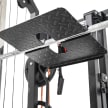
- Power racks and Smith machines
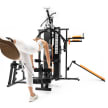
- All-in-one trainers
- Adjustable gym benches
- Dumbbell storage racks
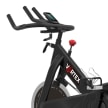
- Exercise bikes and cardio machines
- General strength-training equipment
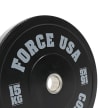
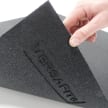
The Vanguard Fitness 15mm Commercial Rubber Gym Flooring Tile measures 1m × 1m, providing one square metre of coverage per tile.
Its recycled rubber construction helps cushion impacts, reduce vibration and protect the underlying floor.
20mm Rubber Gym Flooring
Thicker rubber flooring may be suitable for training areas where additional cushioning and impact attenuation are required.
The VersaFit Connector Elite Zero Gap EPDM Gym Flooring system features 20mm tiles with an interlocking design.
This flooring is worth considering for dedicated strength-training areas and facilities where a connected tile surface is preferred.
Flooring for Heavy Weightlifting
For heavy deadlifts, Olympic weightlifting and repeated weight drops, flooring thickness alone should not determine suitability.
Consider the total impact load, the underlying floor construction, the equipment being used and whether a dedicated lifting platform or additional protective layers are required.
Standard rubber tiles should not be assumed to protect every floor from repeated heavy weight drops.
Rubber Gym Flooring for Different Training Spaces
Home Gym Flooring
For a home gym, rubber tiles can provide a practical protective surface beneath strength and cardio equipment.
The 15mm Vanguard Fitness tiles are suitable for many residential training environments, including rooms with all-in-one trainers, benches and free weights.
Garage Gym Flooring
Garage gyms often contain heavy strength-training equipment, including power racks, Olympic barbells and weight plates.
Rubber flooring helps create a defined training area and provides a protective barrier over suitable concrete or other stable surfaces.
Before installation, check that the underlying floor is level, dry and structurally suitable.
Commercial Gym Flooring
Commercial fitness facilities need flooring that matches the intended training activity and expected usage.
Free-weight areas, functional training spaces, cardio zones and stretching areas may have different flooring requirements.
Consider equipment loads, impact resistance, cleaning, durability and the manufacturer's installation recommendations.
How Many Gym Flooring Tiles Do You Need?
Calculating the required flooring is straightforward when using 1m × 1m tiles.
Each tile covers one square metre.
Multiply the length of your training area by its width to calculate the total area.
For example:
- 2m × 2m gym = 4m² = 4 tiles
- 3m × 3m gym = 9m² = 9 tiles
- 4m × 3m gym = 12m² = 12 tiles
- 4m × 4m gym = 16m² = 16 tiles
- 5m × 4m gym = 20m² = 20 tiles
For irregular layouts, measure each section separately and add the areas together.
Allow additional material for cutting, edges and installation wastage where necessary.
Installing Rubber Gym Flooring
Before laying rubber flooring, ensure the surface is clean, dry, stable and reasonably level.
Position the tiles according to the manufacturer's instructions, checking that edges meet correctly and the flooring remains stable during use.
Some flooring systems use interlocking connectors, while others may require an alternative installation method depending on the application.
For commercial installations, consult the flooring supplier about suitable installation methods, adhesives and subfloor preparation.
Cleaning and Maintaining Rubber Gym Flooring
Regular cleaning helps maintain the appearance and performance of rubber gym flooring.
Remove loose dirt using a broom or vacuum cleaner.
For routine cleaning, use warm water and a mild detergent compatible with the flooring material.
Avoid harsh solvents or cleaning products that could damage the rubber or its bonding materials.
Allow the flooring to dry before resuming training.
Frequently Asked Questions About Gym Flooring
Is 15mm rubber flooring suitable for a home gym?
Yes. Quality 15mm rubber flooring is suitable for many home gym applications, including equipment areas, general strength training and free-weight workouts. Additional protection may be necessary for heavy weight drops.
Can I put rubber gym flooring over tiles?
Rubber flooring can often be installed over a stable tiled surface. However, the underlying tiles must be secure, level and suitable for the expected equipment loads. Heavy impacts may still damage the tiled floor underneath.
Is rubber flooring suitable for a garage gym?
Yes. Rubber gym flooring is a popular choice for garage gyms because it provides floor protection and helps reduce vibration from exercise equipment.
Does rubber gym flooring reduce noise?
Rubber flooring can help reduce impact noise and vibration. However, it does not make a room soundproof, and the level of noise reduction depends on the flooring system, subfloor and training activity.
How many 15mm gym tiles do I need?
Each 1m × 1m Vanguard rubber tile covers one square metre. Calculate the area of your gym in square metres and allow additional material for cutting and wastage.
Can rubber gym flooring be cut to size?
Many rubber gym flooring tiles can be cut to fit around walls and equipment. Use suitable tools and follow the manufacturer's installation recommendations.
Is thicker gym flooring always better?
Not necessarily. The best flooring depends on the training activity, equipment loads, subfloor and installation requirements. A thicker tile is not automatically suitable for every heavy-impact application.
Buy Rubber Gym Flooring from Fitness Network
Fitness Network supplies rubber gym flooring for home gyms, garage gyms, personal training studios and commercial fitness facilities throughout South Africa.
Explore our Vanguard Fitness 15mm rubber tiles and VersaFit flooring solutions above, or contact our team for assistance calculating the flooring required for your training area.
For more detailed advice, read our Gym Flooring Buying Guide.